
How to Sell Your Grocery Store and Supermarket Equipment: A Comprehensive Guide
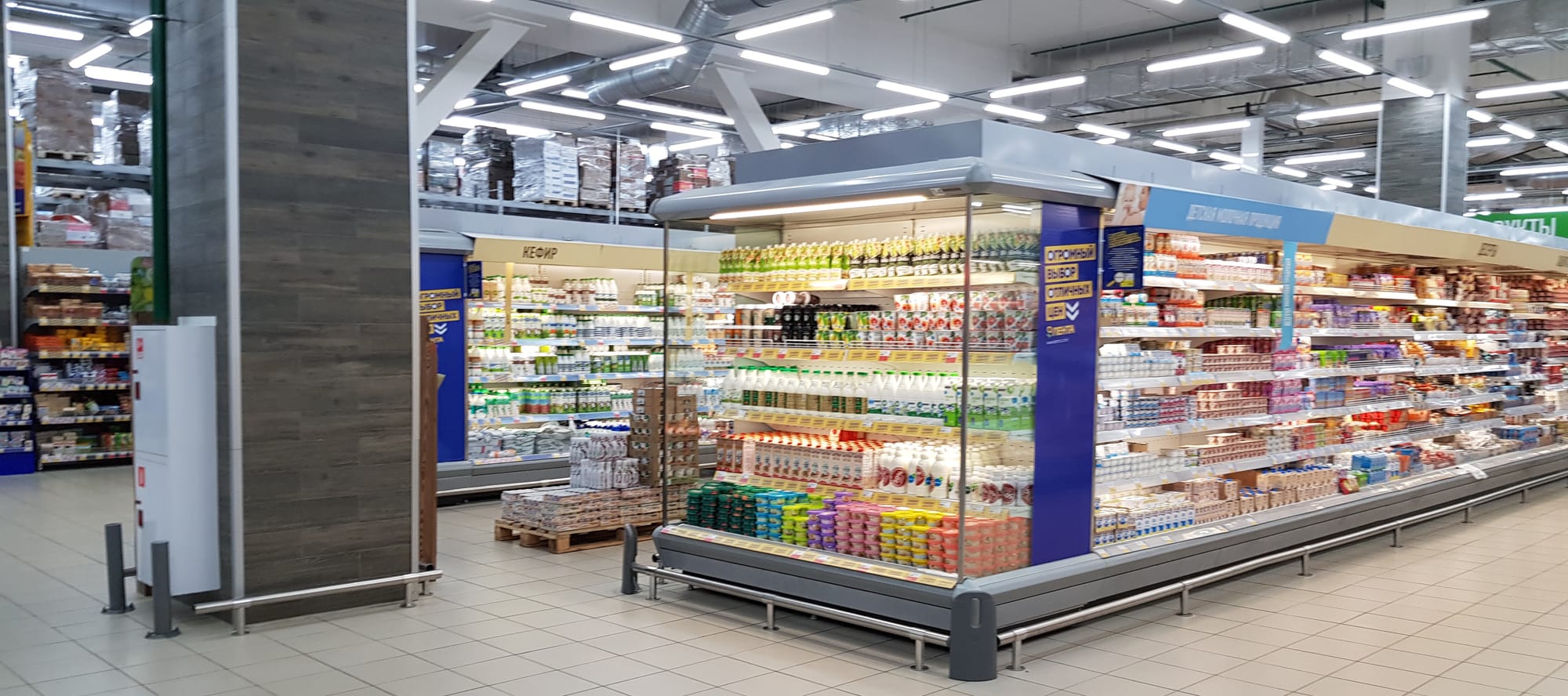
Handling the liquidation of grocery store and supermarket equipment presents unique challenges, especially when working with tight deadlines. Whether you're managing excess inventory taking up valuable storage space or liquidating an entire store due to closure or remodeling, finding the right approach can significantly impact your return on investment. In this comprehensive guide, we'll walk you through practical strategies for selling your supermarket equipment efficiently and profitably.
For larger operators, this process often extends well beyond a single store. Grocery chains and corporate asset managers frequently need a repeatable way to recover value across remodels, closures, consolidations, and portfolio optimization projects. In those situations, the strongest outcomes usually come from a structured liquidation process that combines detailed inventory work, qualified buyer outreach, standardized reporting, and coordinated removal across every location involved.

Creating Your Supermarket Equipment Liquidation Plan
The key to a successful equipment sale starts with proper planning. Before listing a single item, take time to:
1. Establish a Clear Timeline
Start by identifying your end date—whether that's a lease expiration, warehouse clean out deadline, or another fixed point. Working backward from this date allows you to:
- Set realistic milestones for inventory assessment
- Determine appropriate marketing periods
- Schedule the sale or auction event
- Allow sufficient time for equipment removal
- Plan for final space cleaning and inspection
If you're managing more than one location, add another layer to the timeline: sequence planning. Multi-store supermarket liquidations usually perform best when locations are staged in a coordinated way that gives buyers time to participate without creating overlap or confusion. A thoughtful multi-location schedule also helps corporate teams standardize reporting, asset tracking, and site handoff expectations from store to store.
2. Inventory Your Equipment
Developing a thorough equipment inventory helps you visualize the scope of your project. Your inventory should include:
- Equipment type: Categorize by department (bakery, deli, refrigeration, etc.)
- Condition: Note working status and any maintenance needs
- Age: Document approximate age or installation date
- Original cost: Include if records are available
- Estimated current value: Research comparable items when possible
- Physical dimensions: Important for buyers planning transportation
This inventory serves as a valuable reference point when choosing your sales method and setting price expectations.
For liquidation planning, internal estimates are only the starting point. Grocery store assets are typically appraised for liquidation or collateral recovery based on condition, age, brand, department use, maintenance history, removal complexity, and current buyer demand in the used-equipment market. Refrigeration systems, bakery equipment, checkout lanes, shelving packages, and complete departmental setups can all perform differently depending on how they are grouped and presented.
In formal terms, these assessments usually distinguish fair market value from orderly liquidation value (OLV) and forced liquidation value (FLV), since a compressed, deadline-driven sale realizes less than an unpressured one. Appraisals may be desktop (records-based) or on-site, and lenders often prefer a USPAP-compliant opinion from a certified machinery and equipment appraiser. Grafe's advantage here is its own database of realized auction prices for grocery and refrigeration assets, which grounds value estimates in recent comparable-sale evidence rather than list prices.
3. Plan Refrigeration Decommissioning Early
Supermarket liquidations often succeed or fail on refrigeration planning. If your store includes walk-ins, remote cases, island freezers, prep coolers, or self-contained merchandisers, build a decommission plan before the sale goes live. That plan should identify:
- Which assets contain refrigerant
- When they will be disconnected
- Who will handle recovery
- How removal timing will align with landlord, utility, and project deadlines
In many cases, sellers also need to document that refrigerant recovery and equipment handling were completed properly before the assets leave the site. Early planning helps reduce environmental risk, keeps the project on schedule, and gives buyers more confidence in what they are purchasing.


Evaluating Your Selling Options
The optimal approach for selling your supermarket equipment depends on several factors, including quantity, specialization, timeline, and desired return. Here are the primary options to consider:
Direct to Consumer Platforms for Individual Items
When dealing with just a few pieces of smaller equipment, consumer platforms provide quick accessibility to local buyers:
- Facebook Marketplace: Ideal for reaching local buyers with no listing fees
- eBay: Better for specialty equipment that might ship nationally
- Craigslist: Still effective for local, cash-based transactions
Pro Tip: Before setting your prices, use the search feature on Grafe Auction's website to check recent sale prices for similar equipment. This gives you market-based pricing guidance.
Commercial Equipment Dealers
For faster liquidation, selling directly to equipment dealers can provide immediate cash flow, though typically at lower prices:
- Benefits: Quick sale, minimal marketing effort, equipment removal handled
- Drawbacks: Lower financial returns, as dealers need margin for resale
Direct Sale to Similar Businesses
Selling directly to other grocery stores or food service businesses can maximize your returns:
- Benefits: Higher sale prices, especially for specialty equipment
- Drawbacks: Time-consuming process of identifying and negotiating with potential buyers
- Challenge: Buyers often cherry-pick the best items, leaving less desirable equipment unsold
The Auction Advantage
For many supermarket owners, auctions represent the optimal balance of strong returns and minimal effort. Let's examine why auctions have become the preferred method for selling grocery store and supermarket equipment:
- Complete Liquidation: Everything sells in a single event
- Fair Market Value: Competitive bidding ensures items sell for current market value
- Professional Management: Expert handling of marketing, sales, and logistics
- Broad Buyer Reach: Attract both end-users and resellers to maximize competition
Since 1959, Grafe Auction has specialized in selling grocery store and supermarket equipment, providing sellers with expert guidance throughout the liquidation process. Our industry-specific knowledge allows us to market your equipment to the most qualified buyer pool, resulting in optimal returns for your business assets.
This is one of the main ways large grocery chains recover value from used store equipment. Rather than trying to place refrigeration, fixtures, checkout systems, prep equipment, and backroom assets through multiple channels, they can use a managed auction process that reaches grocery operators, food service buyers, equipment resellers, and regional businesses in a single coordinated event. For multi-store programs, the same model can be repeated across locations with consistent lot structure, marketing, and reporting.


Types of Equipment in High Demand
Our auction data reveals consistent strong demand for certain categories of supermarket equipment:
1. Refrigeration Systems
Refrigeration units consistently attract competitive bidding, particularly:
- Walk-in coolers and freezers
- Glass-door merchandisers
- Open dairy and produce cases
- Island freezer cases
- Prep table coolers
Quality refrigeration equipment in good working condition regularly brings 40-60% of new retail value at auction.
Because refrigeration often drives so much of the recovery value in a supermarket liquidation, it is also one of the easiest categories to mishandle. Common mistakes include:
- Waiting too long to identify refrigerant-bearing assets
- Failing to document model and serial information
- Underestimating disconnect and removal complexity
- Skipping maintenance-history details
- Grouping unlike cases together in ways that make bidding less efficient
Sellers also run into trouble when they assume every refrigeration asset has the same buyer pool. A walk-in cooler, a deli service case, and a self-contained merchandiser can attract very different buyers and should be presented accordingly.
2. Food Preparation Equipment
Commercial kitchen equipment used in supermarket delis and bakeries remains highly sought-after:
- Commercial mixers (20qt and larger)
- Slicers and food processors
- Industrial ovens and proofers
- Meat processing equipment
When properly maintained, this equipment often retains significant value.


3. Shelving and Display Fixtures
Store fixtures represent a substantial portion of supermarket assets:
- Gondola shelving systems
- End cap displays
- Produce displays
- Checkout counters
- Shopping carts
Even used shelving systems command strong prices as new retailers look to outfit spaces economically.
Maximizing Value Through Professional Auctions
When working with Grafe Auction to sell your supermarket equipment, you benefit from our decades of specialized experience:
1. Targeted Marketing Reaches Qualified Buyers
Our comprehensive marketing strategy includes:
- Digital Advertising: Targeted campaigns reach potential buyers in the food service and grocery industries
- Email Marketing: Direct communication with our database of 200,000+ registered bidders
- Industry Outreach: Connections with grocery chains, independent stores, and equipment resellers
- SEO Optimization: Ensuring your equipment gets found by those actively searching
For corporate asset managers and grocery chains, value recovery isn’t just about bidder count. It’s also about process consistency. That includes standardized cataloging, coordinated marketing, clear communication, removal oversight, and post-sale reporting that can be reviewed internally across multiple projects. Sellers managing portfolios, remodel programs, or large closures generally need one process they can trust from start to finish, not a different approach at every location.


2. Professional Cataloging and Presentation
Our team handles the entire process of preparing your equipment for sale:
- On-site Evaluation: Expert assessment of all equipment
- Detailed Photography: High-quality images from multiple angles
- Accurate Descriptions: Clear documentation of specifications and condition
- Organized Lot Groupings: Strategic organization to maximize bidding interest
That preparation work is especially important when sellers need documentation that supports liquidation planning, internal review, or collateral recovery discussions. Good reporting starts with good cataloging. Clear descriptions, department-based grouping, serial-number accuracy, condition notes, and strong photography all make it easier to explain what was sold and how the sale was structured.


3. Seamless Auction Execution
On auction day, our professional team manages every aspect:
- Bidder Registration: Verification of qualified buyers
- Auction Monitoring: Oversight of the online bidding process
- Payment Processing: Secure handling of all transactions
- Equipment Removal: Coordination of pickup scheduling and oversight
4. Post-Auction Support
Our service doesn't end when the auction closes:
- Buyer Coordination: Managing equipment pickup appointments
- Site Monitoring: Ensuring safe and orderly removal
- Final Accounting: Complete financial reporting and prompt payment
- Site Closure: Leaving the location in broom-swept condition
For larger grocery sellers, this reporting layer is a major part of the service. Corporate clients often expect documentation that shows what sold, how the lots were grouped, what the final results were, and how removal was completed. That level of organization helps internal asset managers, finance teams, facilities leaders, and outside stakeholders review the liquidation clearly after the fact.
Getting Started with Your Supermarket Equipment Sale
If you're considering selling your grocery store or supermarket equipment, we recommend taking these initial steps:
- Create your timeline: Establish your end date and work backward
- Develop your inventory: List major equipment categories and quantities
- Consider your options: Evaluate the selling methods discussed above
- Reach out for consultation: Contact auction professionals for guidance
The team at Grafe Auction is ready to help you navigate this process with expert advice tailored to your specific situation.
Make the Right Choice for Your Equipment Liquidation
Selling grocery store and supermarket equipment requires careful planning and execution. While various options exist, auctions consistently provide the optimal combination of strong financial returns, comprehensive service, and efficient timelines.
With Grafe Auction's specialized experience in the grocery industry since 1959, you gain a partner committed to maximizing your equipment's value while minimizing your stress and workload. Our team handles everything from initial consultation through final site cleanup, ensuring a smooth transition.
For grocery chains and corporate asset managers, reliability usually comes down to the same fundamentals: consistent execution, accurate documentation, responsive communication, qualified buyer reach, and reporting that holds up across internal review. Grafe’s continued work with supermarket sellers ranging from independent markets to major chains like Kroger, Publix, Cub Foods, and Harris Teeter reflects the kind of repeatable process many organizations look for when liquidating equipment at scale.
If you're evaluating partners based on recovery value, documentation quality, and operational follow-through, our recent 2025 Supermarket Equipment Auctions: Annual Recap offers a strong snapshot of how those projects performed in practice.
Whether you're closing a single location, managing a multi-store consolidation, or simply upgrading your equipment, we're here to help you achieve the best possible outcome.
Ready to Discuss Your Supermarket Equipment Liquidation Needs?
Contact our team today for a confidential consultation and discover how our auction services can help you achieve your goals.
Not ready? Learn more about selling with Grafe Auction.