
Closing Down a Business Checklist: Steps, Assets and What Comes Next

You've made one of the hardest decisions a business owner can make. Now comes the practical question: "I closed my business, now what?"
Closing a retail store usually takes 6 to 8 weeks from decision to final walkthrough. Talk to your attorney and accountant first, give employees and customers proper notice, sell down your inventory, sell your equipment and fixtures, clear the space, and return it to your landlord in the condition your lease requires. Then close your accounts and file your final taxes.
Some steps need an attorney, accountant or HR professional. Others, especially selling equipment, fixtures and leftover inventory and clearing the space, are where Grafe Auction helps most. We've run business liquidations since 1959, about 290 auctions a year in all 50 states and Puerto Rico.
Closing Down a Business Checklist: 9 Steps in Order
- Talk to your attorney and accountant before you announce anything, and read your lease for notice, restoration and personal guarantee terms.
- Set your closing date and work backward. Plan on 6 to 8 weeks.
- Give employees the notice your state requires and plan final pay.
- Tell customers and vendors: settle open orders, layaways and gift cards, and cancel deliveries and recurring services.
- Sell down inventory, then sell or donate what's left in bulk.
- Separate equipment you own from leased or financed equipment, then sell the rest, usually by online auction (3 to 4 weeks).
- Get everything picked up, leave the space broom clean, and get the landlord's acceptance in writing after the final walkthrough.
- Cancel utilities, licenses, permits and accounts once the space is handed back.
- File final tax returns and dissolve the business entity.
The rest of this guide walks through each step, with the most detail on what we know best: selling equipment, fixtures and inventory and clearing the space.


Step 1: Talk to Your Attorney and Accountant First
Before you start checking tasks off lists, you need to understand the full scope of what you're dealing with. This requires conversations with professionals who specialize in areas outside our expertise.
Consult with Your Attorney
Schedule a meeting to review your lease agreement and any other contracts. Your attorney can help you understand notice requirements, termination clauses, personal guarantee implications, and entity dissolution requirements. These legal obligations will shape your entire timeline and process.
Meet with Your Accountant
Your accountant needs to guide you on tax filing deadlines, implications of asset sales, final payroll obligations, and what records you need to keep and for how long. The timing of when you close and when you sell assets can have significant tax implications.
What This Guide Covers
We're going to focus on the practical execution of closing, with particular depth on equipment liquidation and site cleanup; areas where Grafe Auction has worked since 1959. For legal obligations, employee matters, financial closeout, and regulatory compliance, lean on the appropriate professionals. They'll save you far more than they cost.

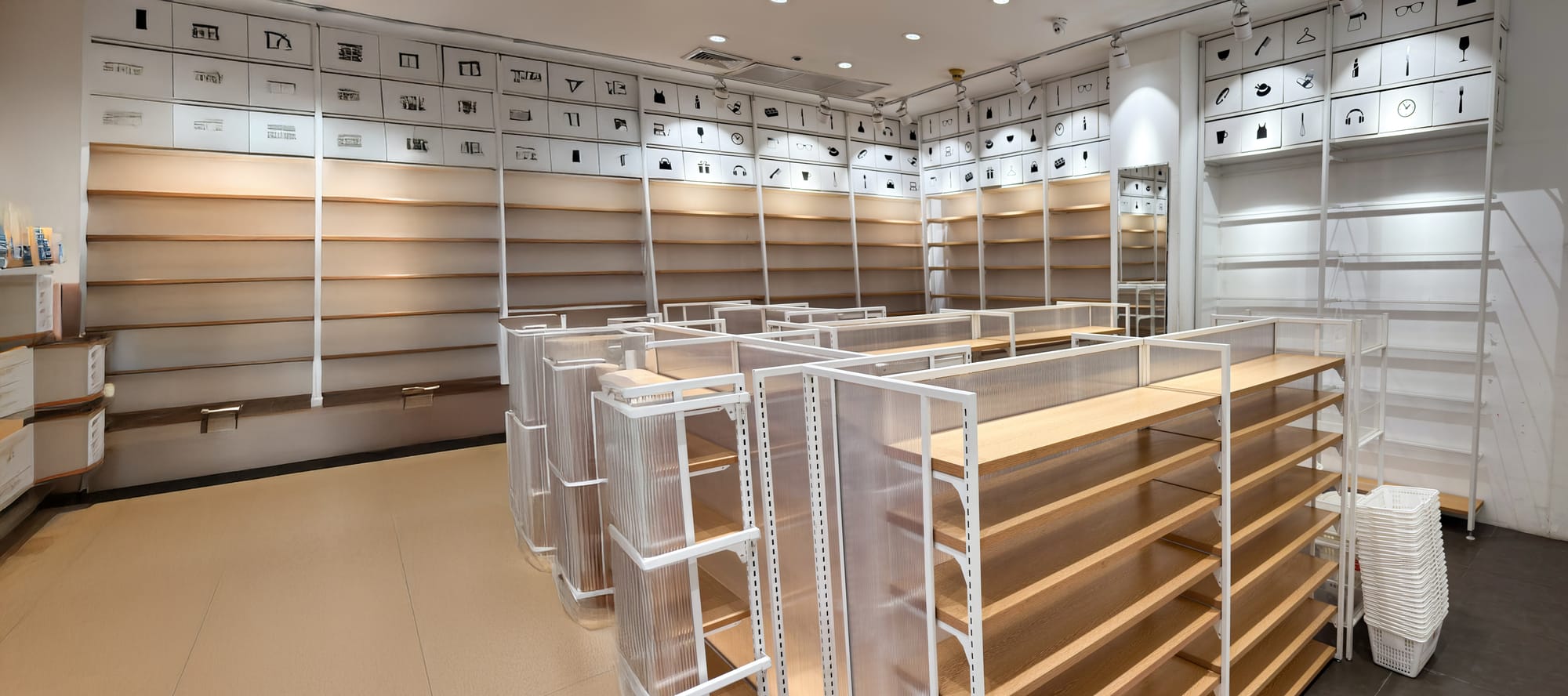
Step 2: How Long Does It Take to Close a Retail Store?
Every business closure is different. Your timeline depends on your lease terms, employee situation, and how much equipment and inventory you need to liquidate.
Working Backward from Your Closing Date
Start with your desired or required closing date and work backward. Your lease terms will largely dictate the outer boundaries. Equipment liquidation typically takes 3-4 weeks once we start the process. Site cleanup and removal coordination takes 1-2 weeks. Build in buffer time because something always takes longer than expected.
Creating Your Master Checklist
List all major tasks that apply to your specific situation. Assign realistic timeframes to each. Identify which tasks depend on others completing first. For example, you can't do final cleanup until equipment is removed. Add buffer time for complications. Mark which tasks require professional help versus what you can handle yourself.
Step 3: Give Employees Proper Notice
Tell your employees before you tell customers, and do it in the order and timing your state requires.
Consider HR Guidance
If you have employees, consult with an HR professional or employment attorney about notification requirements and final pay obligations in your state. Requirements vary significantly by jurisdiction and getting this wrong can be expensive.
Employee Matters
Consult with an HR professional or employment attorney about required notification timing in your state, final paycheck requirements and timing, accrued time off obligations, and benefits information you must provide to employees.
Larger employers may also owe 60 days' notice under the federal WARN Act. Ask your attorney whether it applies to you.
Step 4: Tell Customers and Vendors
Customer Communication
Announce closing with reasonable advance notice. Honor existing commitments when possible; your reputation matters for your future. Process gift card redemptions according to your state's requirements (consult your attorney). Provide recommendations for alternative businesses when customers ask. Thank customers for their support over the years.
Vendor Obligations
Review contracts with vendors for termination requirements. Cancel recurring deliveries and services with appropriate notice. Settle outstanding invoices. Return any rented or consigned items before you lose track of them. Close business credit accounts.
Service Contracts to Address
Don't forget about security monitoring, waste removal, and pest control. Equipment maintenance agreements need formal cancellation. Payroll and accounting services should be notified. Technology services and subscriptions can keep billing if you forget to cancel.
Step 5: What Do I Do with Leftover Inventory?
Inventory is often the first thing owners ask about after equipment. You have a few options, and most closings use more than one.
- Run a closing sale. Discount in stages over your last few weeks open. Keep collecting sales tax on every sale.
- Return what you can. Some vendors take back unopened stock for credit. Check your vendor agreements.
- Sell the rest in bulk. What's left after the closing sale can sell at auction alongside your fixtures and equipment, in lots buyers can bid on.
- Donate. Donated inventory may be deductible. Ask your accountant how to document it.
Check for liens before you sell
If your business has a loan or line of credit, your lender may hold a lien on inventory and equipment. Talk to your lender and attorney before selling, so sale proceeds go where they need to.
If your business is an LLC or corporation
Sell or otherwise dispose of the inventory before you dissolve the entity, and keep records of every sale for your final tax return. Your accountant can tell you how to report it.
Grafe Auction regularly sells retail inventory along with store fixtures and equipment. Contact us and we'll tell you what makes sense to sell together.
Step 6: How Do I Sell Equipment and Fixtures When Closing?
This is where we can help most. At Grafe Auction, equipment liquidation is our specialty. We've run liquidations since 1959, about 290 auctions a year in all 50 states and Puerto Rico, and this is the area where professional guidance typically pays for itself multiple times over.
Creating Your Asset Inventory
Start by walking through your entire space systematically. Use your phone camera to photograph everything. You need to know what you have before you can plan how to sell it. Hint: when you work with Grafe Auction, we do this for you. However, it's still a good idea to know what you have so that when we do a site walkthrough with you it goes quickly.
Document all equipment you own (not leased), furniture and fixtures, point-of-sale systems and technology, specialty equipment specific to your industry, tools and smallwares with resale value, and signage that might have scrap material value. We handle professional cataloging as part of our process, but having a preliminary inventory helps us provide more accurate guidance during your initial consultation.
Critical: Separate Owned from Leased or Financed Equipment
Check your records carefully for equipment loans or leases. Contact financing companies about payoff or return procedures. Leased equipment isn't yours to sell. Financed equipment can usually be sold only with your lender's agreement, with the loan paid from the proceeds. Selling it without that agreement creates serious legal problems.
Understanding Equipment Values
Let's be realistic about what to expect. Used commercial equipment sells for a fraction of original purchase price. This isn't because buyers are taking advantage. It's simply market reality for used commercial equipment.
Well-maintained, late-model equipment performs better and commands higher prices. Brand names are more desirable than generic alternatives. Working condition is critical: non-functional equipment has minimal value. Industry-specific items may have limited buyer pools, which affects pricing.
What Affects Your Recovery: Age and condition matter most. Brand reputation and desirability play a role. How quickly you need to sell impacts results, and rushed sales always yield less. Current market demand for your specific type of equipment fluctuates. Quality of documentation and presentation makes a significant difference. Time of year and broader market conditions affect buyer activity.
Understanding these factors helps you plan financially and emotionally. Unrealistic expectations lead to disappointment and poor decisions.


Your Liquidation Options
Option 1: Professional Auction (Our Recommendation)
This is what we do, and we'll be transparent about why we recommend it for most situations.
Professional marketing reaches qualified buyers nationwide. Competitive bidding drives prices up naturally. You get complete clearance in a single event, typically over 3-4 weeks. We handle cataloging, photography, marketing, and all logistics. The predictable timeline helps you plan other closing tasks. Professional presentation maximizes perceived value. We coordinate buyer pickup and complete site clearance.
Our process starts with visiting your location for assessment and consultation. We provide professional photography and detailed cataloging. Strategic marketing goes to our buyer database built over decades. Online bidding runs for about two weeks. Scheduled pickup happens with our oversight. You receive settlement payment after pickup is complete.
This approach works best for most restaurants, retail stores, and service businesses. Any situation with ten or more items of significant value benefits from professional auction. When you want maximum recovery combined with professional handling and predictable timeline, auction makes sense. When timeline matters but isn't an absolute emergency, this delivers the best outcomes.
Option 2: Private Sale
Some business owners consider selling items themselves through Facebook Marketplace, Craigslist, or industry groups.
The advantage is you keep 100% of the sale price. This can work well for one or two unique, high-value items. You have direct control over pricing.
The reality check: it's extremely time-consuming. You'll field calls, messages, and showing requests constantly. Timeline is completely unpredictable and items may sit for months. You handle all logistics, payment collection, and removal coordination. There are legitimate safety concerns meeting strangers at your location. It's difficult to generate competitive interest with limited exposure. Most items end up selling for less than auction would bring because buyers know you're motivated.
This approach works best for unique, very high-value items with broad appeal. It can work for single items, not full liquidations. Use it when you have time and patience. Consider it as a supplement while auction marketing happens, not as your primary strategy.
Our Recommended Approach
For most business closures: Contact us for professional appraisal and consultation with no obligation. Understand realistic values and timeline options. Choose auction for primary equipment and fixtures. Consider private sale for truly unique items while auction marketing happens. Donate or dispose of worthless items.
What Happens After the Sale
Professional auction services coordinate buyer pickup windows, supervise on-site removal, and ensure complete space clearance within 1-2 weeks of sale completion for timely lease return.
One of the biggest advantages of working with Grafe Auction is we don't just sell your equipment, we coordinate the entire removal process.
Buyers receive specific pickup windows. We supervise the removal process on site. The space is cleared completely on schedule. You receive one settlement payment after pickup is complete. Everything is ready for your final landlord walkthrough.
This coordination is critical because you likely have a deadline for returning your space to the landlord. The last thing you need is buyers who don't show up or equipment left behind because removal got complicated.


Step 7: Clear the Space and Return It to Your Landlord
This is another area where Grafe Auction provides significant value. After your equipment and fixtures are sold and removed, the space needs to be ready for return to your landlord. We coordinate this entire process as part of our service.
Lease agreements typically require "broom clean" condition, meaning all equipment removed, space swept clean, trash cleared, and no personal property remaining upon return.
What Does "Broom Clean" Mean?
Most leases require returning space in "broom clean" condition. Work with your attorney to understand exactly what your specific lease requires, but typically this means all equipment and fixtures are removed (unless your lease specifically says otherwise), the space is swept and generally clean, trash and debris are removed, and no personal property remains.
What We Coordinate
We handle scheduled buyer pickup windows with clear communication. Someone from our team provides on-site supervision during removal. We ensure all sold items are actually removed by buyers. Final trash and debris removal from the sale process is managed. We coordinate with your other vendors for final services.
What You May Need to Arrange
Your lease may require specific restoration work. Common requirements include patching holes from removed equipment or signage, painting walls, repairing damaged flooring, removing exterior signage, and restoring any modifications you made to the space.


Protecting Your Security Deposit
The best way to protect your security deposit: Review your lease carefully with your attorney. Take extensive photos before any work begins. Understand exactly what restoration is required in writing. Complete all required work before final inspection. Document everything with dated photos showing the work. Be present for the final landlord walkthrough.
Final Walkthrough Strategy
Schedule the walkthrough in advance with your landlord. Bring your lease and highlight relevant clauses. Take photos and video during the walkthrough itself. Request written confirmation of space acceptance. Get timeline for security deposit return in writing. Keep copies of absolutely everything.
Common security deposit issues include incomplete equipment removal, inadequate cleaning, damage beyond normal wear and tear, missing agreed-upon restoration work, and unpaid final utilities or rent.
Working with Grafe Auction helps prevent the "incomplete removal" issue. We make sure everything sold is actually removed on schedule, so you're not scrambling at the last minute or dealing with buyers who don't show up for pickup.
Step 8: Utilities, Licenses and Accounts
Utilities Disconnection
Keep utilities active through final cleanup and inspection. Schedule disconnection after your final landlord walkthrough, not before. Electricity should be last, since you need it for cleanup and for showing equipment to potential buyers.
Administrative Tasks
Cancel business licenses and permits through appropriate agencies. File required closing notices with state agencies (your accountant can guide you). Close or downgrade business bank accounts. Cancel business credit cards. Update business insurance but maintain coverage until you're fully closed and the space is returned. Consult your accountant about final tax filings and document retention requirements.
Step 9: Final Taxes and Closing the Business Entity
Financial Closeout
Work with your accountant on final payroll processing, collecting outstanding accounts receivable, understanding tax filing deadlines and requirements, properly documenting asset sales for tax purposes, and knowing which records you must retain and for how long.
Once assets are sold and accounts are closed, your attorney or accountant can file the dissolution paperwork with your state. Keep your records for as long as your accountant advises.


Special Considerations for Restaurants
Restaurant closures have some unique tasks. Cancel food and beverage vendor accounts. Cancel health permits and licenses through your local health department. Address your liquor license. In many states, licenses have significant resale value separate from the business. Consult your attorney about transfer or sale options. Clean grease traps one final time. Schedule hood system final cleaning. Return keg deposits. Update online listings on Google and Yelp to permanently closed. Remove menus from delivery apps.
Commercial kitchen equipment often represents significant value. Well-maintained restaurant equipment, especially refrigeration, cooking equipment, and specialty items, can recover meaningful money through professional auction. The key is proper presentation and reaching qualified buyers who understand restaurant equipment value.


The Emotional Reality of Closing
This is hard, and that's okay. Closing your business is one of the most difficult decisions you'll make. You've invested time, money, identity, and relationships into this venture.
Grief, relief, worry and uncertainty about what comes next are all normal, and many successful entrepreneurs have closed a business before starting their next one. Keep your routines, lean on the people around you, and consider a therapist or business coach who understands owners.
Taking time to reflect and recover isn't weakness. It's wisdom.
Closing a Business FAQ
How long does it take to close a retail store?
Most store closings take 6 to 8 weeks from decision to final walkthrough. Selling equipment and fixtures by auction usually takes 3 to 4 weeks of that, and buyer pickup and cleanup another 1 to 2 weeks.
What should I do first when closing my business?
Talk to your attorney and accountant before you announce anything. Your lease, loans and employee notice rules set your timeline.
I closed my business, now what?
Work through what's left in order: sell down or donate leftover inventory (step 5), sell the equipment and fixtures you own (step 6), return the space broom clean (step 7), shut off utilities, licenses and accounts (step 8), and file final taxes and close the business entity (step 9). If equipment is still in the building, an online auction usually sells it and gets it picked up in 4 to 6 weeks.
What do I do with leftover inventory when I close?
Run a closing sale, return what vendors will take back, then sell what's left in bulk or donate it. Check first whether your lender holds a lien on the inventory.
Can I sell equipment that's leased or financed?
Leased equipment belongs to the leasing company, so contact them about a return or buyout. Financed equipment can usually be sold if your lender agrees and is paid from the proceeds. Talk to them before you list it.
What does "broom clean" mean?
Usually that everything is removed, the floors are swept, and trash and personal property are gone. Your lease may require more, such as patching and painting, so check it with your attorney.
Moving Forward
Closing a business is challenging, but it's manageable with a clear plan and the right professional support. This checklist gives you the framework. Now fill in the specifics for your situation based on guidance from your attorney, accountant, and other advisors.
Where Grafe Auction Fits
We can't help with your legal, HR, or financial matters; you need specialized professionals for those. But we can make sure you maximize recovery from your equipment and fixtures, and we'll coordinate the removal and site cleanup process. That's our specialty, and it's work we do every week.
The liquidation and removal process doesn't have to add to your stress. Let us handle what we do best, so you can focus on everything else that requires your attention during this transition.
Closing your business responsibly is itself a success. You're protecting your financial interests, honoring your obligations, and setting yourself up for whatever comes next. That takes courage and deserves recognition.