
What Used Gym Equipment Sells For at Auction: A Look at the Market Right Now
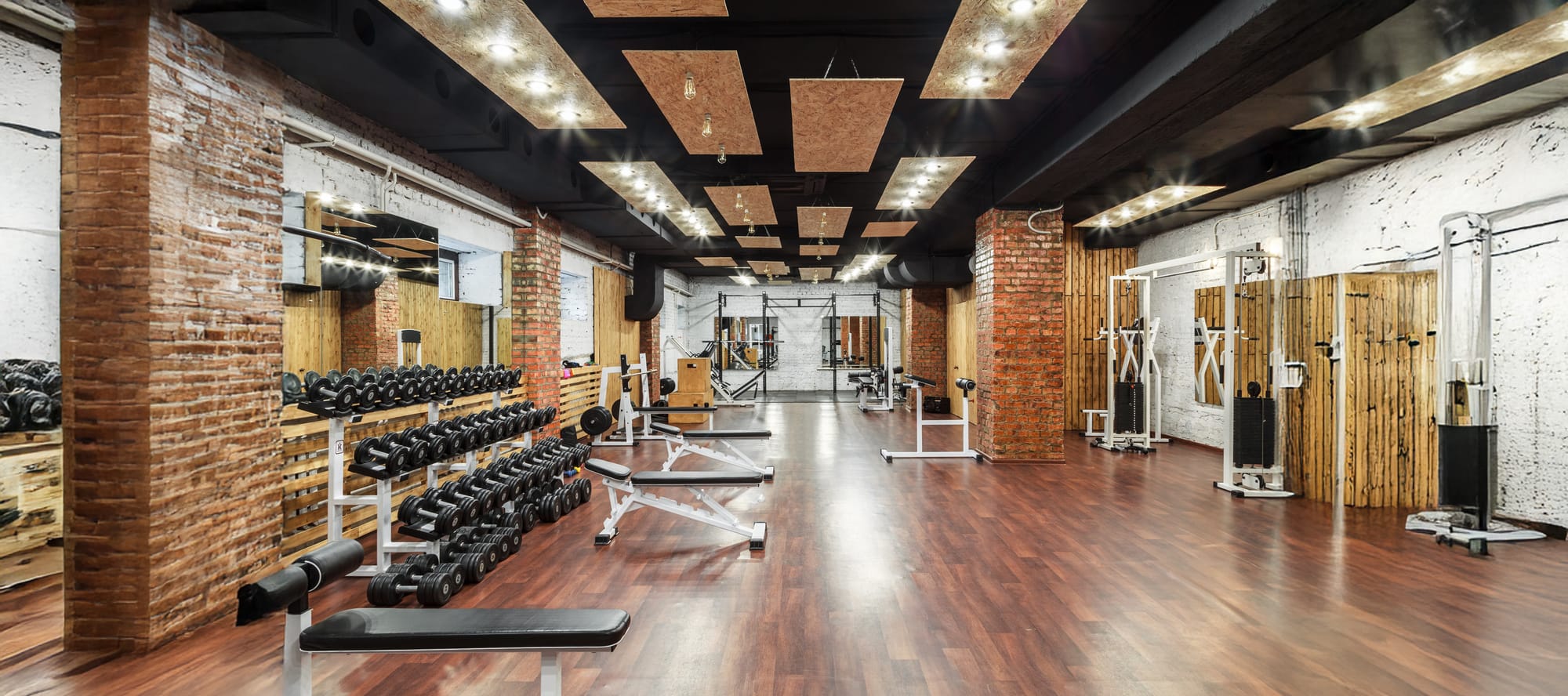
Used gym equipment holds real value at auction right now, and demand for it is broad. We saw that across three recent Grafe Auction sales. At each one, commercial fitness equipment drew steady, competitive bidding across every category, from treadmills and strength machines to free weights.
None of these were gyms going out of business. They were a paint manufacturer, a national retailer, and a nonprofit. That mix is worth sitting with for a second, because it explains why the used fitness market stays so active: commercial-grade equipment turns over from corporate wellness centers, community facilities, hotels, and schools, not just from fitness businesses. When quality equipment is well-documented and marketed to the right buyers, people compete for it. The numbers below come from actual sale results, not estimates.
The short answer: Used commercial gym equipment sells at auction for anywhere from a few dollars for loose free weights to $2,750 for a multi-station strength machine. Strength machines and cardio bring the highest prices, premium commercial brands like Technogym and Matrix command a premium, and condition plus brand recognition drive the final number.
What's Driving Demand for Used Gym Equipment Right Now
Demand stays strong because the buyer pool is wider than most sellers expect. Three forces keep it that way:
1. Home and garage gyms. Individual buyers still want commercial-grade machines at a fraction of retail, and auctions are one of the few places they can get them.
2. Boutique and functional-fitness studios. New studios outfit their space cost-effectively by buying proven equipment secondhand rather than financing everything new.
3. Facilities of every kind. Hotels, apartment amenity gyms, corporate wellness rooms, and community centers all buy used to stretch capital budgets.
The result is competitive bidding across categories. When you have equipment that works and it is presented clearly, buyers show up ready to bid.
What Used Gym Equipment Actually Sells For
Prices vary widely by category. Here is what our three sales showed, category by category, with real examples.
Cardio Equipment: Steady, Broad Demand
Cardio machines were the volume leaders and consistently strong sellers. Across the three sales, cardio lots sold for an average of roughly $375, with the best pieces clearing four figures.
Commercial treadmills led the way. Several Technogym electric treadmills from the Big Lots sale sold in the $1,000 to $1,300 range, and Technogym Synchro Excite elliptical trainers brought $950 to $1,400. Premium brands held up at the YMCA and Sherwin Williams sales too: a Woodway MERC-S slat-belt treadmill reached $800, a StairMaster StepMill 7000 PT stepper sold for $650, and a WaterRower wooden rowing machine went for $550. Precor TRM 885 treadmills consistently landed in the $425 to $475 range.
The takeaway for buyers is that cardio offers the widest selection and the most entry points, from a few hundred dollars up to premium units that still cost a fraction of new.
Strength Machines: The Highest Single Prices
Selectorized and plate-loaded strength machines brought the highest individual hammer prices of any category, averaging roughly $420 per lot and topping out well above that.
The single highest-selling piece across all three sales was a Matrix G3-MS24 five-station cable machine at Sherwin Williams, which reached $2,750. A Technogym Dual Adjustable Pulley followed at $2,100, and a Technogym Pure Strength MG7500 linear leg press sold for $1,300. Single-station machines performed well throughout: a Paramount inner/outer thigh machine brought $1,100, a Magnum Biangular chest press and a matching back pulldown each sold for $700 at the YMCA, and a Cybex seated leg press reached $425.
Buyers pay for these machines because they are hard to replicate cheaply and because commercial frames and weight stacks last. For sellers, a full circuit of name-brand strength equipment is often the anchor of a fitness sale.
Free Weights, Benches, and Racks: Volume Over Price
Free weights move in high volume at modest per-lot prices. This category made up the largest share of lots we sold — 87 in all — but at an average of about $105 each. Loose dumbbells, plates, and small racks tend to sell in the low double digits, while complete sets and quality benches climb higher.
The standouts were the packaged lots. A Technogym commercial half rack with an integrated pull-up bar reached $1,400, a Body-Solid two-tier rack that included eight pairs of rubber hex dumbbells sold for $550, and Paramount Olympic flat and incline benches brought $500 each. The lesson: bundling free weights into complete, ready-to-use sets earns more than selling them piece by piece.
This is the clearest split in the data — free weights sold in the highest volume but at the lowest prices, while strength machines and cardio sold in smaller numbers for far more per lot:
The Brands That Hold Their Value
Brand recognition directly drives price. The pattern was consistent across all three sales: equipment from established commercial manufacturers drew more bidders and higher hammer prices than lesser-known or consumer-grade gear.
Technogym dominated the top of the results, taking most of the highest hammer prices in the Big Lots sale. Matrix, Precor, Cybex, Life Fitness, Woodway, StairMaster, and TRUE Fitness all performed reliably as well. On the strength side, Body-Solid, Paramount, and Magnum machines sold steadily. These are the names commercial buyers trust, and that trust shows up in the final number.
Pro Tip: If you are cataloging your own equipment before a sale, list the brand and model number for every machine you can. A "commercial treadmill" and a "Technogym electric treadmill" are the same asset, but the second one tells buyers exactly what they are bidding on — and priced-in confidence lifts hammer prices.
Three Things That Decide What Your Equipment Is Worth
Every price above came down to the same three factors. Whether you are buying or selling, these are what to weigh:
- Brand. Recognized commercial manufacturers command a premium because buyers know the equipment will hold up. Generic or consumer-grade gear sells, but for less.
- Condition. Working, clean, well-maintained machines bid higher than units that need repair. Clear condition notes and photos give buyers the confidence to pay more.
- Audience. This one is easy to overlook. Fitness equipment sells best when it reaches fitness buyers — which depends entirely on how the sale is marketed.
If You're Selling Gym Equipment
Auction reaches a national pool of fitness buyers that a local resale rarely can, and it does it on a defined timeline. But the third factor above — audience — matters more than sellers often realize.
Here is a real example of what happens when it goes the other way. In a separate grocery-warehouse liquidation we handled, a batch of commercial cardio came up alongside produce racks and shopping carts: seven Star Trac 8TRx treadmills, a Cybex treadmill, and a StairMaster treadmill. Nearly all of them passed without selling. The same tier of equipment that cleared four figures in our fitness-audience sales went unsold when it was buried in an unrelated sale that fitness buyers were not watching.
The lesson is straightforward: quality equipment needs to be presented as a fitness offering and marketed to the buyers who want it. When you are ready to sell gym equipment, that targeting is a large part of what determines your net proceeds. For a fuller walkthrough of preparing and lotting equipment, see our checklist for selling used exercise equipment.
If You're Buying Used Gym Equipment
Buyers get commercial-grade machines well below retail at auction, as long as they do a little homework first. A few things to keep in mind:
- Read the listing carefully. Brand, model, and condition notes tell you what you are bidding on. Ask questions during the inspection window if anything is unclear.
- Budget for pickup and freight. Strength machines and treadmills are heavy. Factor removal and transport into your maximum bid.
- Know how bidding works. Set your limit before you start. If you are new to online auctions, our bidder guide walks through registration, max bidding, and the buyer's premium.
Whether you are outfitting a home gym, a studio, or a facility, a well-run used gym equipment auction is one of the best ways to buy quality equipment for less.
The Bottom Line
The used fitness market is competitive and well-supported by real demand, and the equipment is coming from more places than ever — corporate campuses, community centers, hotels, and schools, not only gyms. For sellers, that means a genuine opportunity to recover value on equipment you no longer need. For buyers, it means commercial-grade machines at prices you will not find at retail.
If you have fitness equipment to sell, or you want to see what is coming up for bid, talk to our team or browse our current auctions. We would be glad to help you figure out the best path for your equipment.